Psychology of Color in Logo Design: The Science of Branding
Up to 90% of an initial judgment about a product can be based on color alone. In branding, color is a communicator that speaks directly to the subconscious.
Color Strategy
Color is sometimes treated as an afterthought, with palettes chosen based on personal preference rather than strategic impact. This can lead to instances where the visual identity of a project sends a different message than its intended purpose. If a security application uses neon pink, it may lose potential users before a signup occurs.
The Psychology of Color
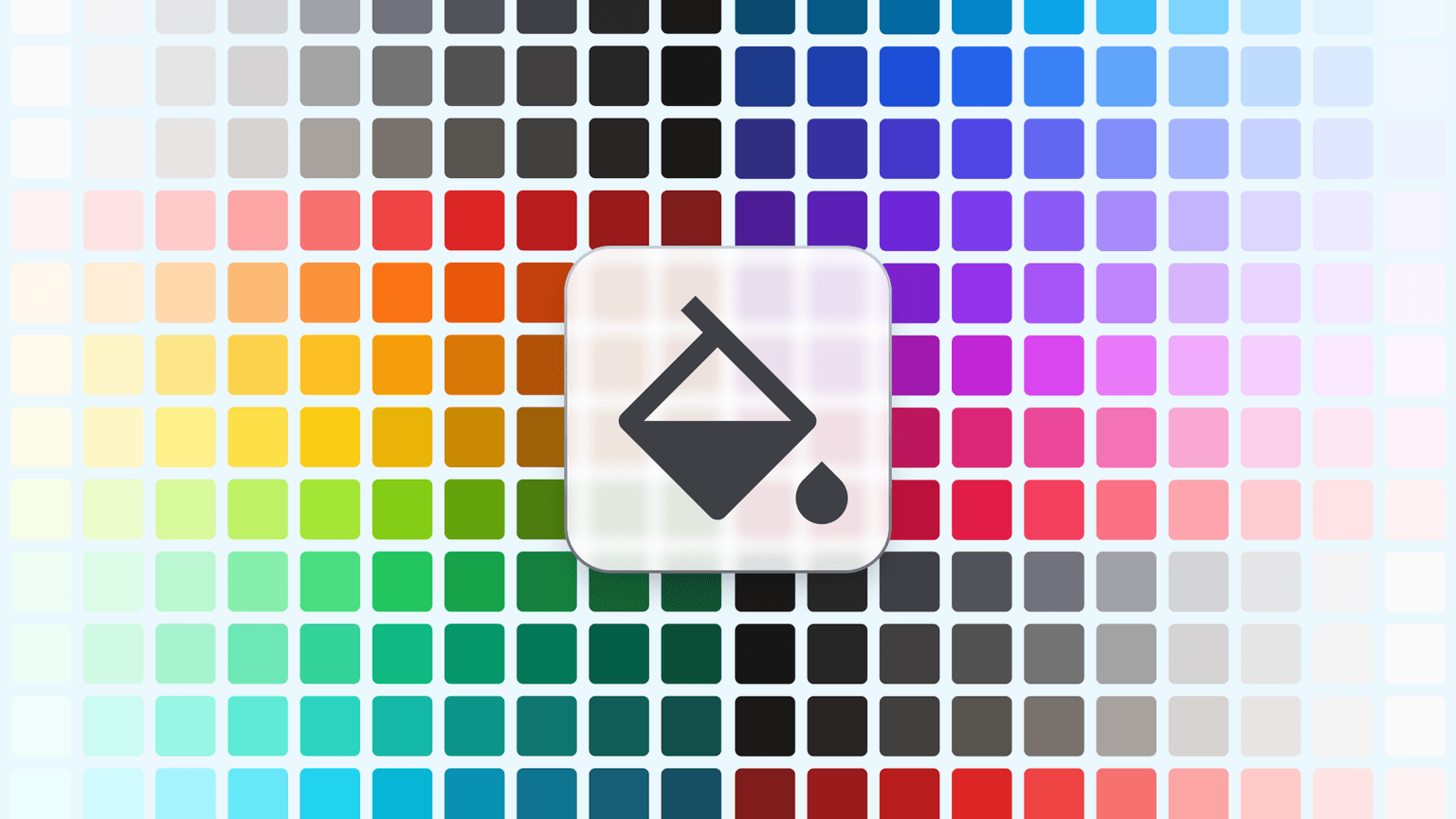
Understanding color psychology allows for the use of emotional triggers. By selecting specific hues for a logo design, it's possible to convey trust, excitement, or luxury without using words.
1. Blue: Trust and Stability
Many platforms and financial institutions use blue because it represents stability and reliability. It’s often considered a safe color in branding, suitable for industries where trust is a primary requirement.
2. Red: Energy and Urgency
Red can demand attention and create a sense of urgency or passion. It’s often used by brands that want to feel bold or fast. This is a common choice in the entertainment industry.
3. Green: Growth and Nature
Green is often associated with health, wealth, and environmental consciousness. If a brand is focused on wellness or financial growth, green can be a useful ally in establishing a connection with the audience.
Practical Application: Testing Palettes
When prototyping a new brand identity, Logoipsum assets can be used to test different color profiles.
- Trust Test: Apply a deep blue to a geometric mark to see if it feels like a professional enterprise.
- Urgency Test: Switch to a vibrant red to see if it feels like a tech startup.
- Luxury Test: Try a combination of slate and gold to see if it evokes a sense of quality.
Summary
Color is a tool in the branding process. Aligning choices with strategy helps ensure a cohesive identity.
- Align color with purpose: Ensure the palette matches core objectives.
- Contextual awareness: Be aware of cultural differences in color perception.
- Prototyping: Use placeholders to evaluate how colors affect a layout's mood.
Browse Logoipsum to start experimenting with the library of logos.